Tagged Teacher-Writer
Doing What We Teach

Being a teacher, especially the first years, gave me a chance to explore, and exhaust, my mental facilities and creative energies. Teaching is rewarding, but it can sometimes (especially with grading) leave little “mind” to explore other endeavors.
However, most English teachers began as writers, or at least great appreciators of the art of writing, and my guess is what we wrote, read, and loved was not a non-fiction, primary source text about the creation of the Declaration of Independence. Not that this information isn’t important, exciting or worthwhile, but most teachers of English began the job because they love art and the emotional and intellectual benefits it brings.
As a teacher, I think I had forgotten the initial spark that brought me into the English classroom. However, after my first couple of years, I got involved in an arts integration program for my students that reignited my love for creative expression. That summer, I applied and was accepted into a Columbus Area Writing Project cohort, which is an organization under the umbrella of the National Writing Project.
In the two and a half weeks that I was part of the program, I connected with other professionals who were also passionate about education, innovation, and writing. I was inspired, and still am, by all that I learned from them.
In the program, I learned the power of meaningful modeling at the teacher’s level. It only really works when the teacher can have an “aha” moment that is as meaningful as the students will have in the classroom.
I learned the power of reflection. When we learn, it needs to be discussed. It needs to be processed. That is how we know we have learned; it is when learning becomes meaningful.
In addition, I wrote. So much… Too much. It helped me to connect to the part of myself that I want to bring into the classroom. The part of me that does what I teach.
CAWP offers summer programs every year that result in “teacher-consultant” certification (respected and well represented within the NCTE community), I would be happy to share more of my experiences with that. In addition, they offer a fall conference which I just attended. This is my second year as an attendee and presenter.
This week, I will post some of the insights and resources gained from this conference in additional posts.
Teacher-Writer: Pete Planisek
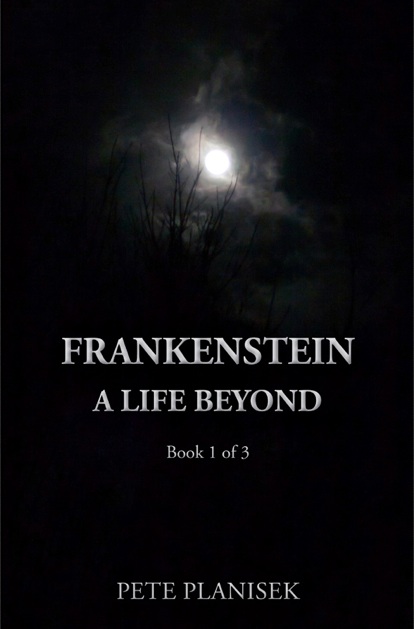
Book Description:
“Ten years after the loss of his entire family to madness and death, Ernest Frankenstein finds himself compelled to return to the city of his birth, Geneva, in order to discover if his elder brother, Victor, might still be alive. Only Victor can provide the answers to questions, which have long plagued Ernest. The quest for answers will force Ernest to confront demons, both internal and external, from his past, which refuse to be at peace and which ultimately will endanger both he and his new family. Hunted across Europe their only hope may lie with a French spy, Ernest’s childhood friend, and a mysterious gypsy girl whose people believe that Ernest will lead humanity to its salvation or final destruction.
PHSC English teacher Pete Planisek not only wrote the book described above, he also maintains a podcast, blog, and online publishing company. While often teachers in the arts lose touch with the practice of creating because of the pressures of daily of teaching and (especially for English teachers) the time commitment of grading, he remains an active writer and arts advocate, a feat he described as “always a trade off.”
As a classroom benefit, Planisek said that maintaining his writing has allowed him to help students because, “You know what you struggle with creatively to give pointers.”
In addition, there are intrinsic benefits, “[Writing] helps me grow as a person- you have to put yourself in different worlds and situations, and writing connects you with other people who are interested in writing… It challenges you to not just hone your craft but hone your own humanity,” he said.
Some teachers within the district have begun to explore research in creative writing, which is true to the form of many non-fiction writers, especially those who write narratives, poems or longer works with a historical context. “With the Frankenstein novels I’ve spent a fair amount of time researching the: historical time periods, names, geography, political issues, etc. I usually really enjoy getting to go more in-depth and really work hard to make the settings and characters believable,” he explained, “I’m looking forward to going and visiting some of the locations I’ve been writing about.”
With his online publishing company in the beginning stages, Planisek is always looking for new works to add to his website. He would welcome teacher submissions.
 Learning Lab Consulting